Introduction: Why Maintenance Matters for Custom Automation
In today’s competitive manufacturing environment, many factories rely on custom non-standard automation equipment to handle complex processes that standard machines simply cannot. From specialized automated assembly lines to highly customized workstations, non-standard automation delivers flexibility, efficiency, and precision.
However, this customization also brings a challenge: maintenance.
Unlike off-the-shelf machines, non-standard automation equipment is designed around specific products, workflows, and factory constraints. If maintenance is neglected or handled improperly, even the most advanced system can suffer from unexpected downtime, quality issues, or shortened service life.For manufacturing engineers and decision-makers, understanding how to maintain these systems effectively is essential to protecting the original investment.
This article explores practical maintenance strategies, real-world scenarios, and key considerations to help manufacturers keep their custom automation running reliably over the long term.
Non-standard automation equipment is purpose-built to meet specific production requirements. Unlike standardized machines, it often features:
Custom mechanical structures
Dedicated control logic and software
Specialized sensors, actuators, and tooling
Integration with existing production lines
Because each custom automation solution is unique, maintenance cannot rely solely on generic manuals or universal procedures.
Why Maintenance Is More Complex
The complexity of manufacturing automation increases when equipment is tailored. Spare parts may not be readily available, troubleshooting may require system-level understanding, and improper adjustments can affect upstream or downstream processes.
This makes structured, proactive maintenance not just helpful—but critical.
1. Lack of Standardized Maintenance Procedures
Many factories struggle because non-standard equipment does not come with widely recognized maintenance standards. Without clear documentation or training, maintenance teams may rely on trial and error.
2. Component Wear in High-Precision Systems
In precision automation, even minor wear in mechanical components, sensors, or alignment systems can result in quality deviations or reduced cycle efficiency.
3. Software and Control System Dependency
Custom PLC programs, vision systems, and motion control logic are integral to non-standard automation. Software updates, parameter changes, or data loss can have serious operational consequences if not managed correctly.
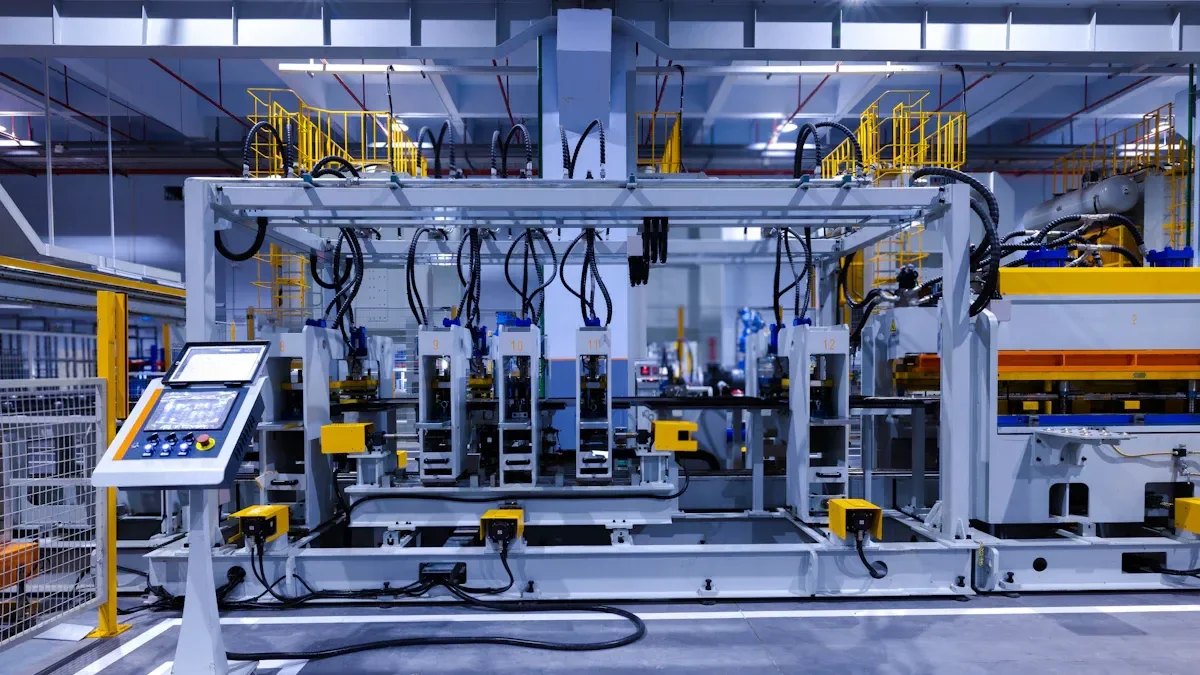
Preventive maintenance is the foundation of reliable automation performance. For non-standard automation equipment, this plan should be tailored to the actual operating conditions of the system.
Key elements include:
Regular inspection schedules for mechanical, electrical, and pneumatic components
Lubrication plans based on actual load and cycle frequency
Sensor cleaning and calibration intervals
Backup and verification of control software and parameters
Documenting these activities helps ensure consistency, even when personnel changes occur.
Not all components carry the same risk. Identify the parts that directly affect safety, accuracy, or throughput.
Common critical components include:
Servo motors and drive systems
Linear guides and precision positioning units
Vision inspection systems
Custom tooling and fixtures
By prioritizing these areas, maintenance teams can prevent failures that would shut down the entire automated assembly line.
For non-standard systems, knowing how the equipment works is just as important as knowing what to fix.
Effective training should cover:
Overall process flow and equipment purpose
Basic control logic and interlocks
Alarm meanings and troubleshooting paths
Safe adjustment and recovery procedures
When maintenance technicians understand the design intent of the custom automation solution, response times improve and unnecessary adjustments are reduced.
Consider a factory using a custom automated assembly line for small electromechanical products. The system includes robotic handling, precision pressing stations, and inline vision inspection.
After several months of high-volume production, the line begins to experience:
Inconsistent press-fit quality
Increased reject rates from the vision system
Occasional unplanned downtime
A maintenance review reveals:
Gradual wear in a custom pressing fixture
Sensor contamination affecting measurement accuracy
No scheduled recalibration plan for critical stations
By implementing a targeted maintenance strategy, the factory:
Introduced weekly inspection of high-load fixtures
Added routine cleaning and recalibration of sensors
Updated maintenance documentation specific to the non-standard design
The result was improved stability, reduced scrap, and longer equipment service life—demonstrating the value of structured maintenance for custom non-standard automation equipment.
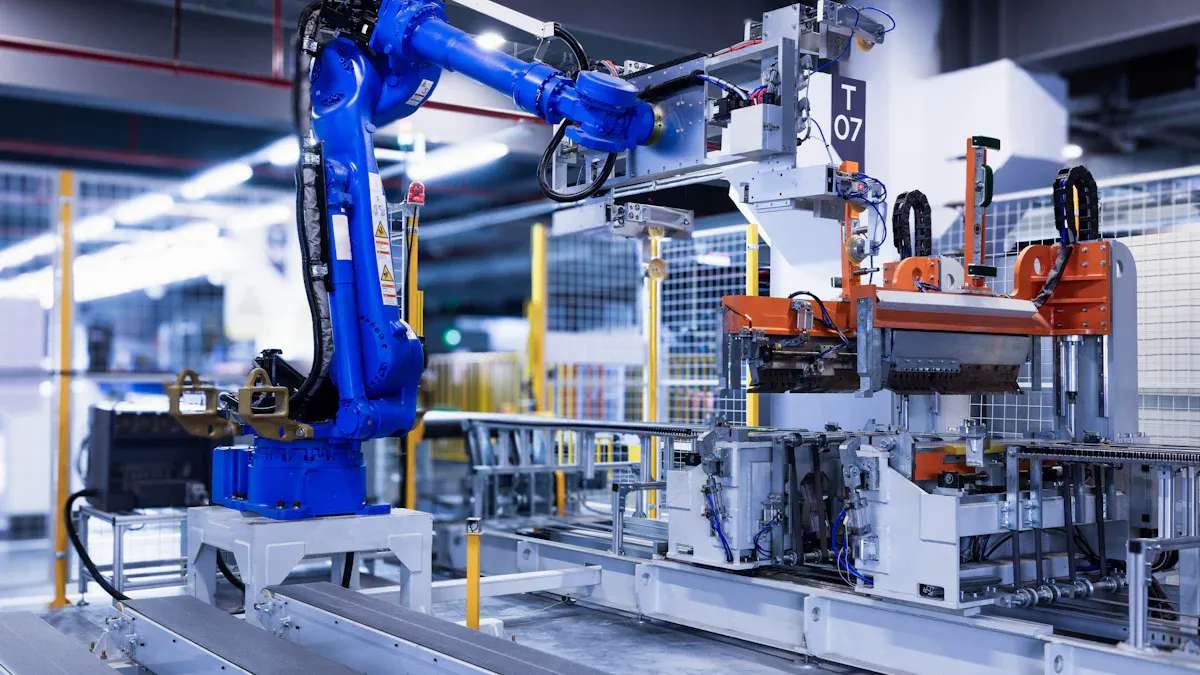
A reliable automation supplier should support customers beyond delivery and commissioning. For complex manufacturing automation systems, supplier involvement can include:
Providing detailed maintenance documentation
Offering remote or on-site technical support
Recommending spare parts strategies
Assisting with upgrades or process optimization
At Tianluo Automation Equipment Co., Ltd., maintenance considerations are integrated into the design phase to ensure long-term reliability and serviceability.
Non-standard automation is often expected to evolve with product changes. A well-maintained system is easier to modify, expand, or upgrade—protecting the original investment and extending its value.
For manufacturers relying on non-standard automation equipment, maintenance is not just a routine task—it is a strategic investment. Proper care ensures stable production, consistent quality, and long-term performance from highly customized systems.
By understanding the unique challenges of custom non-standard automation equipment, implementing preventive maintenance, and working closely with experienced automation partners, factories can maximize the return on their precision automation solutions.
If you are planning, operating, or upgrading a custom automation solution, Tianluo Automation Equipment Co., Ltd. welcomes you to consult with our technical team. We are ready to help you design, maintain, and optimize automation systems tailored to your manufacturing needs.
The company's products include various full- automatic componentsproduction and processing equipment, full-automatic assemblyequipment, full-automatic production lines, robotics and visionintegration applications, etc